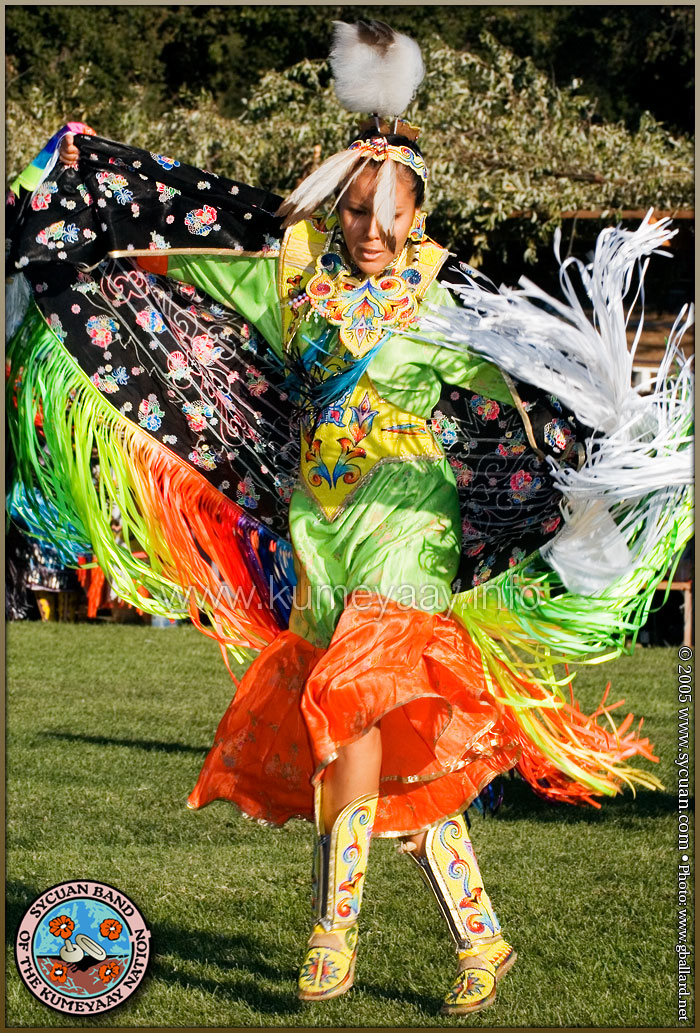
1. What is an environmental portrait (look it up ... it's not what most of you think!)
It is when your object or person is in their natural environment. Such as: where they live or work.
2. Provide an example of an environmental portrait (either a picture you take or one found online.)

3. What other types of portraits are there? List and describe.
Close-ups or facial and upper body portraits.
Close-ups have the head and the shoulders or less than that. These photos are good for facial expressions or glamour shots.
Upper body shots(midrange portraits) are less personal than close-ups because you can include a little of the background in the the portrait.
4. What are three rules of thumb with portraits?
IMAGE SIZE - When using a 50 mm lens, the image height of a subject, as seen in your view-finder, will increase one height of the original image for each additional 50 mm that is added to the lens. Thus a 100 mm lens will double the image height.
CHROMOGENIC FILMS- Chromogenic films contradict most rules of black and white photography. This film is a dye based film which is processed as a color negative film (C-41 process) and produces black and white images. ISO settings may be varied between 50 and 800 for different lighting conditions. Exposure at high ISO ratings produce very fine grain results.
TAKING PICTURES UNDER WATER - Most leaks in an underwater camera housing show up at very shallow depths. If no leaks appear within 15 feet of the surface, there is a 95 % chance that none will appear at greater depths (Flip Schulke, underwater photographer).